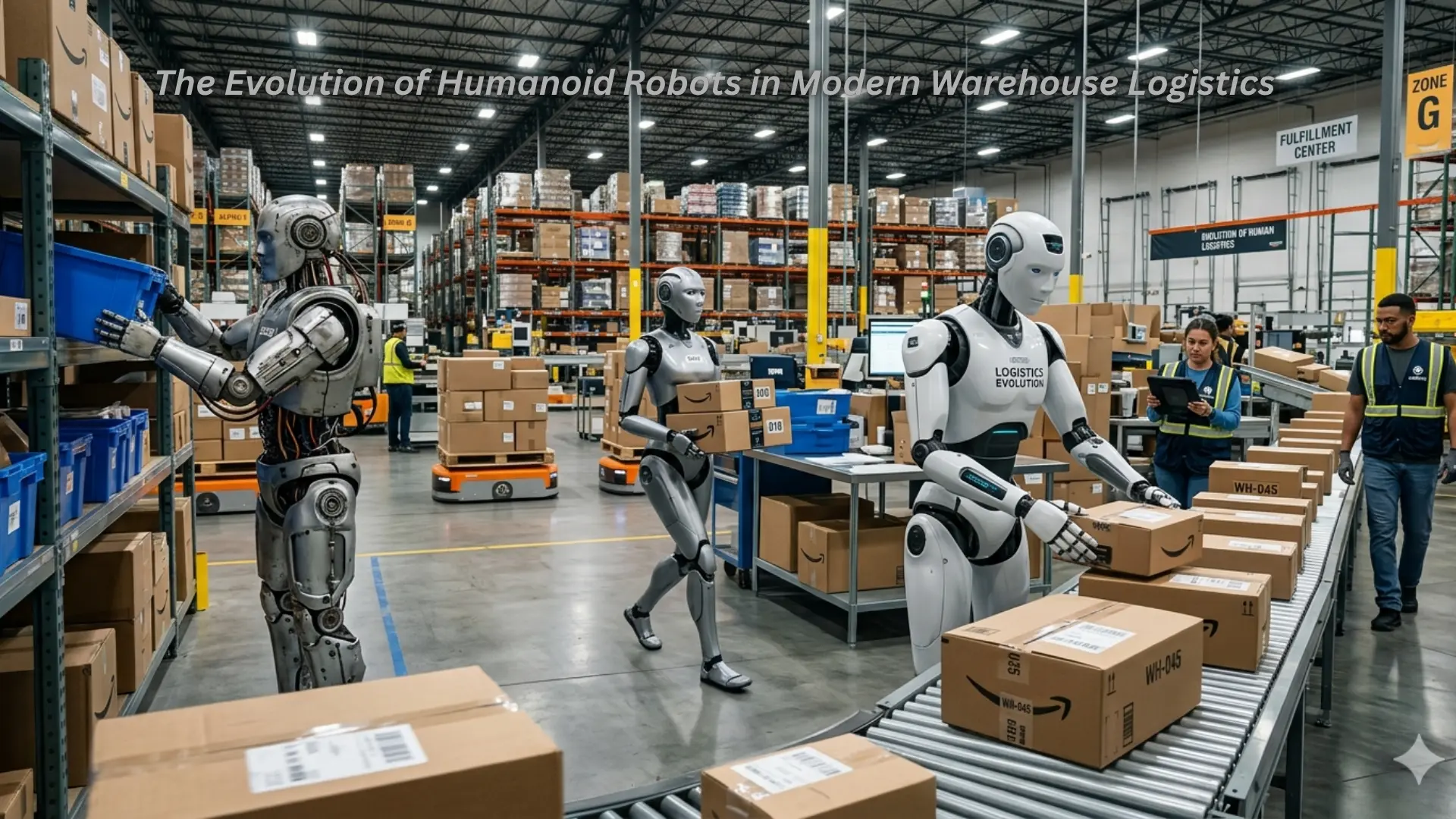
For decades, warehouses relied on fixed machines and heavy belts. These tools did one job well. However, they could not move like people. Today, the rise of the Humanoid Robot Warehouse Logistics model is changing the floor plan. We are seeing a shift from stiff automation to flexible, two-legged helpers. These robots do not just sit in one spot. They walk, reach, and think. They represent a new era where machines fit into the human world instead of making us change our buildings to fit them. This change is vital because online shopping is growing fast. We need smarter ways to move boxes and these robots are the answer to that growing need for speed and accuracy.
The Early Days of Warehouse Tech
In the past, robots were mostly arms bolted to the floor. They picked up boxes but could not walk to a new shelf. Later, small carts on wheels arrived. These moved goods but could not climb stairs or reach high bins. These systems required companies to change their entire building. You had to have flat floors and special tracks. If a box fell in the path, the cart stopped. Humanoid robots are different. They fit into the world we already built. They use the same aisles and doors that people use. They can step over a small mess or reach a high shelf without a ladder.
Why Humanoid Robots are Winning
Modern logistics needs speed and focus. Humanoid robots offer unique benefits that older tech lacks. They are not just better; they are more adaptable.
- Better Reach: They have two arms and hands. This lets them pick up odd shapes that a flat cart cannot handle. They can grab a soccer ball or a flat envelope with the same ease.
- Easy Setup: You do not need to tear down shelves. These robots walk through existing paths. This saves a lot of money for the business owner.
- Smart Learning: New models use artificial intelligence to see. They can tell the difference between glass jars and plastic tubs. They learn as they work and get better every day.
- Safety First: Sensors help them to stop when a person is passing by. Both humans and robots can work in the same place.
The Science of Walking on Two Legs
Walking seems easy to us, but it is hard for a machine. A robot on wheels is stable. A robot on two legs is like a falling stick. It must constantly adjust its weight. This is called dynamic balance. The robot uses sensors to feel the ground. It checks its balance hundreds of times every second.
Engineers focus on three main parts to make this work. First is the power. These robots need light batteries that last for a full work shift, second are the joints. They use motors that act like muscles. Third is the software. This is the brain that tells the legs how to move on a slippery floor or a ramp. While early models were slow, today’s robots move at a brisk walking pace.
Key Players in the Industry
Several big names are leading this change. Tesla is working on the Optimus robot. It is built to do dull or dangerous tasks. Elon Musk wants to make it cheap so every warehouse can have one. Agility Robotics created Digit. This robot is already working in real warehouses for companies like GXO and Amazon. Digit has a unique look with legs that fold like a bird’s. This helps it squat and lifts heavy totes from the floor.
Apptronik has Apollo, which can carry heavy loads for hours. It is designed to work right next to people in car factories. Then there is Figure AI. They are testing their robots with companies like BMW. These machines help move parts between different work stations. These machines are no longer just science projects. They are real workers with jobs to do.
Handling the Labor Gap
Many warehouses struggle to find enough staff. Moving heavy totes all day is hard on the human body. It leads to back pain and tired muscles. Humanoid robots take over these tiring tasks. This lets human workers focus on managing the software or solving complex problems. It makes the job safer for everyone.
When a robot does the heavy lifting, the human worker can stay fresh. They can oversee a fleet of ten robots instead of moving boxes by hand. This shift creates new kinds of jobs. We will need people to fix the robots and teach them new tasks. It is not about taking jobs away. It is about making the jobs better.
The Economic Impact
Adding robots is a big step for a company. In the beginning, these machines are expensive. But they save money over time. A robot can work through the night without turning on the lights. It does not need a lunch break. It does not get sick.
Studies show that the market for these robots will grow by 30% each year. By 2030, many warehouses will be “robot-centric.” This means the building is designed for machines first. Humans will still be there, but they will be the bosses of the robots. This helps companies keep prices low for customers who want fast shipping.
Overcoming Technical Hurdles
Even with all this progress, challenges remain. Battery life is the biggest one. Most humanoid robots can only work for two to four hours before they need a charge. Engineers are working on “hot-swapping” batteries. This means the robot can pop out a dead battery and put in a fresh one in seconds.
Another hurdle is touch. A human knows how hard to squeeze an egg. A robot might crush it. We are adding tactile sensors to robotic fingers. This gives them a sense of touch. They can feel if an object is slipping. This makes them much better at packing fragile items.
The Future of Logistics
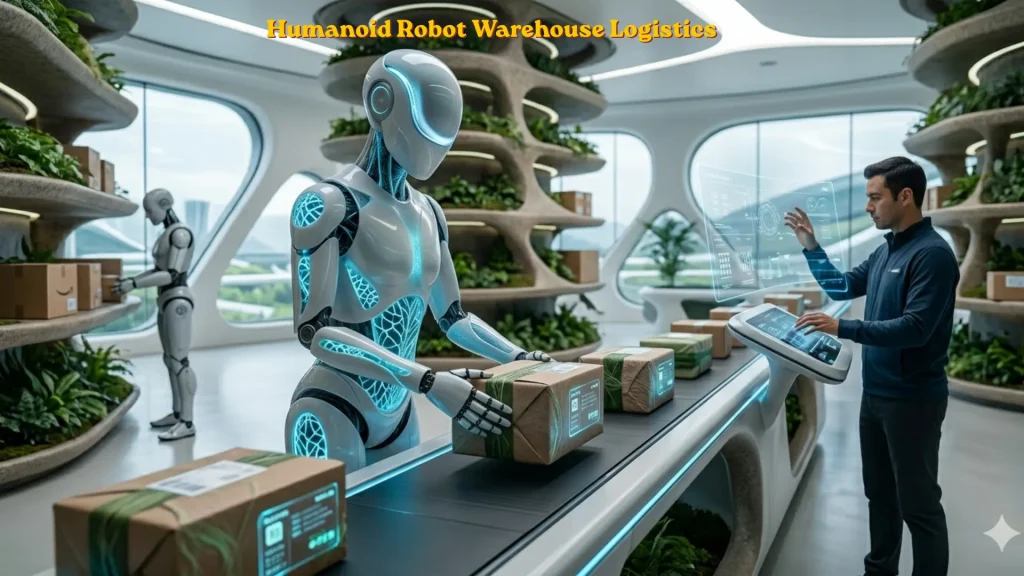
We are moving toward a time where robots and humans are a team. In the coming years, these robots will get faster. Their batteries will last longer. They will also become cheaper to buy. Small businesses may soon use them just as much as giant corporations do.
By 2030, experts say that one in twenty supply chain managers will manage robots instead of people. This sounds like a big change, but it will happen slowly. We will see more “human-optional” facilities. These are buildings that can run themselves during peak times like the holidays.
Summary of Benefits
- Lower Error Rates: Robots do not get tired or distracted. They pick the right item every time.
- 24/7 Work: They can work through the night without breaks. This speeds up shipping for everyone.
- Versatility: One robot can sort mail in the morning and load trucks at night. You don’t need five different machines.
- Data Tracking: They count inventory as they move. This keeps warehouse records perfect without extra counting.
- Better Safety: Robots take the “dull, dirty, and dangerous” jobs. This keeps people out of harm’s way.
The world of shipping and storage is changing fast. The Humanoid Robot Warehouse Logistics industry is at the center of this shift. It offers a way to grow without building a brand-new facility. By choosing robots that move like us, we make logistics smarter and more human-centered. We are building a future where getting your package is faster, safer, and more efficient than ever before.
Frequently Asked Questions
Q: What is a humanoid robot in a warehouse?
A: It’s a robot with two legs and two hands designed to work like a human being. These machines pick up boxes and run in corridors to help complete tasks quickly.
Q: How do these robots help with safety?
A: These machines handle heavy goods and repeatedly the works that often hurt humans. Workers remain safe while machines handle the most tired work of the day.
Q: Can these robots work alongside human staff?
A: Yes, modern sensors allow them to see people and stop moving if someone gets close. They are built to share the same workspace without needing safety fences or cages.
Q: Do I need to change my warehouse layout to use them?
A: No, these robots easily fit into corridors and doors used by humans. You can keep your existing cabinets and floors exactly as they are right now.
Q: How long can a humanoid robot work on one charge?
A: Most current models work for about four hours before they need to recharge their power. Some use quick battery swaps to stay on the floor for a full work shift.
Q: Will these robots replace all human warehouse workers?
A: They are meant to be helpers that handle the dull and dangerous parts of the job. Humans will still be needed to manage the fleet and solve complex logic problems.